Why Hourly Home Care Isn’t Always the Best Solution

When families first explore home care, hourly care can feel like the safest and most flexible choice. Especially when starting out, it would make sense to start small. A few hours a day can help with meals, light housekeeping, or companionship while maintaining your loved one’s independence.
However, as care needs begin to change and become more complex, many families later find out that when hourly home care is not enough, it can actually create stress and creates gaps in care. This can then lead to further complications and unexpected costs. Knowing these limitations can help you make a more informed decision for your loved one.
The Hidden Gaps in Hourly Care
Hourly home care works best for seniors who need minimal support. But aging and its effects doesn’t follow a linear path. Falls or sudden health changes don’t wait for a caregiver’s shift to begin.
When care is limited to a few hours a day, seniors may be left alone during critical moments. Families usually try to patch together coverage consisting of multiple caregivers or rely heavily on relatives. This is one of the signs of when hourly home care is not enough.

Inconsistent Care Can Impact Well-Being
With hourly care, caregivers rotate based on availability and schedule. However, constant changes can be unsettling for seniors, especially those with dementia or cognitive decline. Consistency matters. Routine and familiarity play a major role in emotional security and overall health.
Costs Can Add Up Quickly
At first glance, hourly care seems more affordable. But as care needs increase, families often add more hours. This can sometimes surpass the cost of a full-day or live-in care without gaining the same level of coverage.
According to AARP, almost 70% of adults over 65 will require some sort of long-term care because care needs tend to increase over time. Planning only for hourly support may delay the need for more comprehensive care, but it does not prevent it.
Safety Concerns After Hours
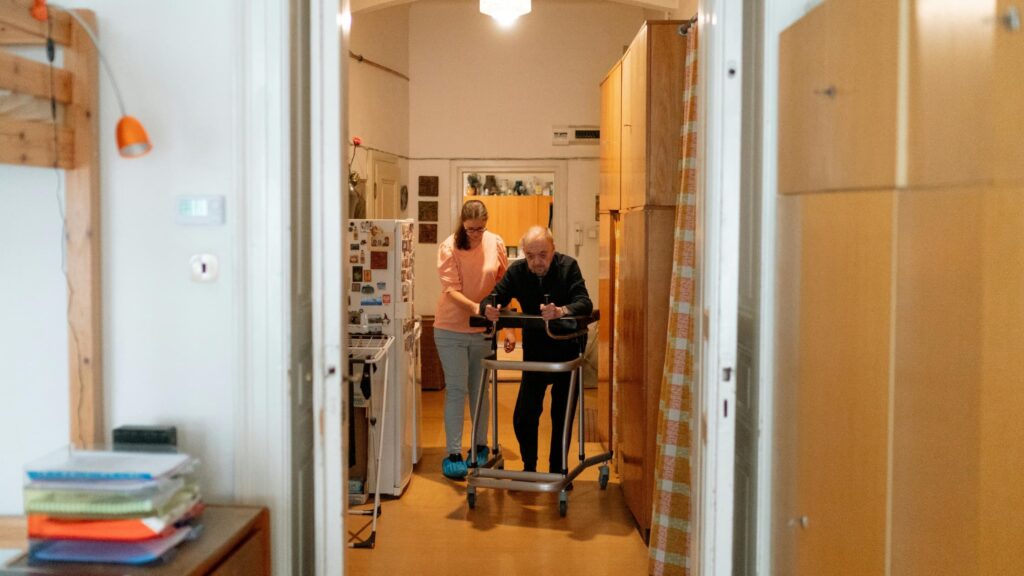
One of the biggest risks of hourly care is what happens when no one is there. Seniors who need help with mobility or medication management overnight may face serious safety risks when alone. In many cases, families realize too late that when hourly home care is not enough, emergencies become more frequent and more dangerous.
When Different Care Model Makes Sense
Hourly care is not “bad.” It just may not be the right fit in some cases. Seniors who benefit most from more comprehensive care often:
- Have progressive conditions like Alzheimer’s or Parkinson’s
- Are at high risk for falls
- Need overnight supervision
- Require help with daily living activities
- Experience anxiety or confusion when alone
In these cases, extended-hour, overnight, or live-in care can provide better safety and peace of mind for both seniors and their families.

Choosing What’s Best for Your Family
Every senior’s situation is unique. The key is recognizing when hourly home care is not enough and being open to adjusting the care plan before a crisis happens.
If you’re unsure of the type of coverage your loved one needs, we’re here to help. Contact us for a free consultation.