
Hospital Discharge to Home: Mistakes Families Make in the First 72 Hours

Hospital discharge home care transition starts the moment your loved one leaves the hospital. For many families, the first three days are crucial. And when plans aren’t clear or there’s not enough support, it can risk recovery and even lead to readmission.
Why the First 72 Hours Matter
The period right after hospital discharge is a vulnerable stage of recovery. Patients usually still have fragile health status, have changes in medications, and receive new care instructions. Without close attention, like missed medications, it can escalate into major setbacks. Studies show that this time frame can significantly influence the success of their recovery and overall outcome after a hospital stay.

Common Mistakes Families Make
1. Underestimating Medication Complexity
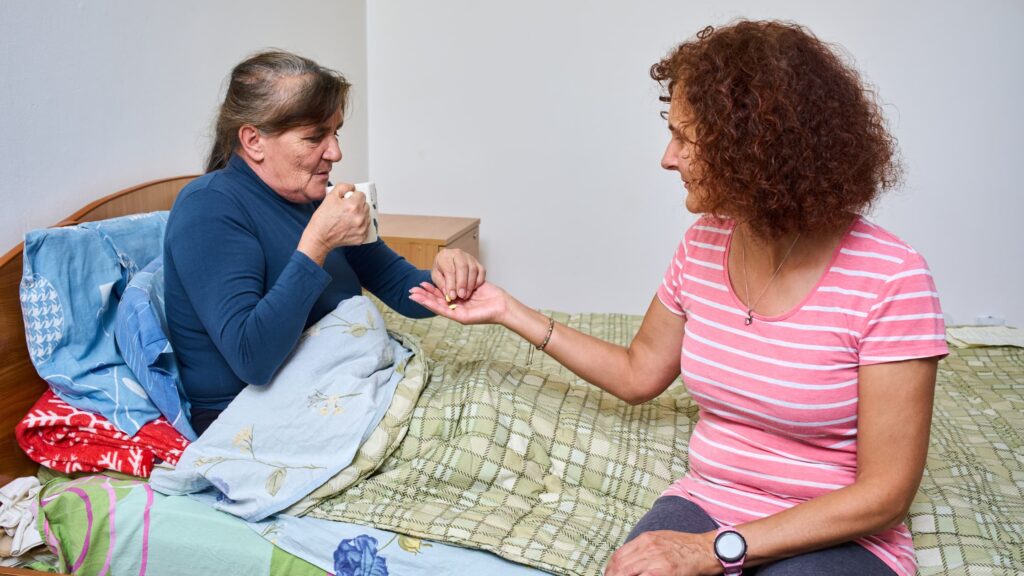
Medication prescriptions often change at discharge. This includes doses, timing, or even the medicines themselves. If someone doesn’t understand the updated plan, things can quickly go wrong. In fact, medication errors in the first 72 hours are a leading risk factor for complications after hospital discharge.
Tip: Ask for a clear, written medication list and use pill organizers or reminder tools.
2. Not Preparing the Home Environment
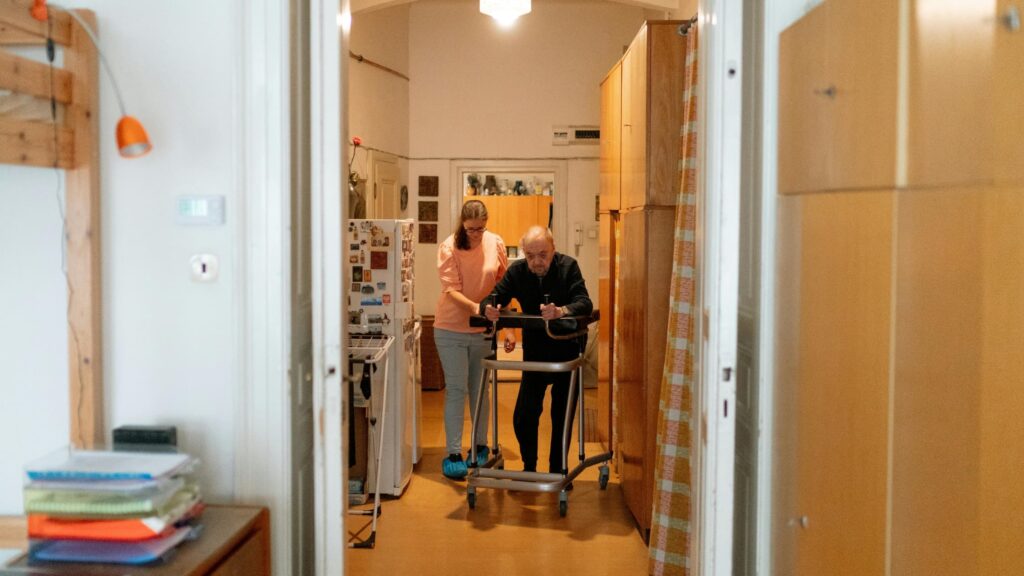
It’s easy to assume that the home is safe as is, but many everyday features can become safety hazards when someone is weak. Loose rugs, dark walkways, and cluttered rooms increase the chance of falls, which is the leading cause of hospitalizations in seniors.
Tip: Before discharge, evaluate the home with a checklist: install grab bars, improve lighting, and clear clutter.
3. Failing to Coordinate Follow-Up Care
Recovering at home means more than resting. It involves follow-up appointments, therapy sessions, and ongoing monitoring. Failing to schedule these tasks can lead to gaps in recovery.
Tip: Schedule follow-ups before the patient leaves the hospital and arrange transportation or support for getting there.
4. Trying to Do Everything Alone
Family caregivers are incredible, but caregiving can be overwhelming. Without support, burnout, mistakes, and even missed care needs are common.
Tip: Connect with reputable home care providers early. Professional caregivers offer not just physical support, but structure and peace of mind.
Make Your Transition Smoother
Here’s how to avoid common issues during the first days at home:
- Make sure you have all discharge instructions before leaving the hospital. This includes diet, activity limits, and warning signs
- Create a central information binder with medication lists, phone numbers, and follow-up schedules.
- Bring in professional support early. Home care aides can help with daily tasks, safety checks, and continuity of care.
- Communicate openly if anything feels unclear. It’s okay to ask for clarification or repeat instructions.
The Role of Prepared Home Care Support
A well thought out hospital discharge home care transition plan reduces stress for families and supports a smoother recovery. At our agency, we specialize in bridging the gap between hospital and home by offering compassionate, trained caregivers who work with your family’s needs, schedules, and medical plans.
Whether you need support for just a few hours a day or 24 hour care, we help make the transition safer and less overwhelming.

