Creating a Dementia-Friendly Home: Simple Modifications for Safety
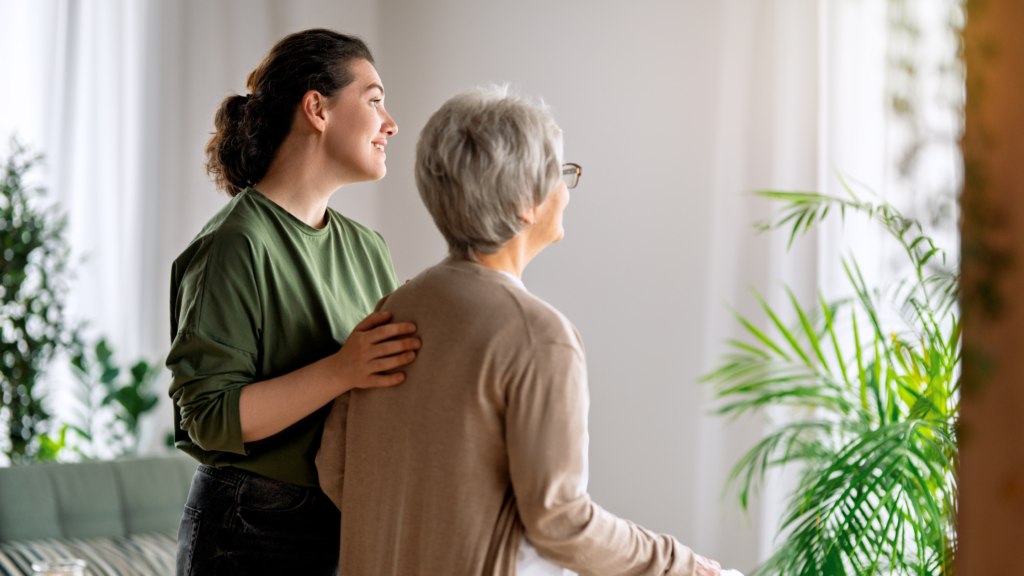
As dementia progresses, a familiar environment can sometimes feel confusing or overwhelming. For families caring for an affected loved one, ensuring safety while maintaining a warm atmosphere is a top priority.
The good news is that creating a dementia-friendly home does not necessarily call for expensive renovations. Even just small and thoughtful changes can make daily routines easier while supporting independence and reducing stress.
Here are a few simple dementia home safety modifications for safety that families and caregivers can consider.
1. Improve Lighting and Reduce Shadows
Poor lighting can make it harder to judge distance and identify objects.
- Max out natural light: Keep curtains open during the day to let in natural sunshine, while making sure nothing blocks the windows.
- Illuminate pathways: Install night lights in hallways, stairwells, and bathrooms to prevent nightime falls when navigating to the restroom.
2. Make Walkways Clear and Simple
Strong visual contrasts or complicated designs can be confusing for someone with dementia.
- Avoid patterned rugs: Remove throw rugs that can cause tripping hazards.
- Choose matte finishes: Opt for non-reflected flooring that contrasts cleanly with the walls to make depth perception easier.
- Remove clutter: Get rid of unnecessary items and electric cords from walking paths.
3. Use Color Contrasts and Simple Labels
According to the Alzheimer’s Association, managing environmental hazards room-by-room is an important part of effective caregiving, and giving visual cues play a massive role.
- Define object edges: Use contrasting colors to distinguish items (e.g., using a bright colored plate on a neutral placemat).
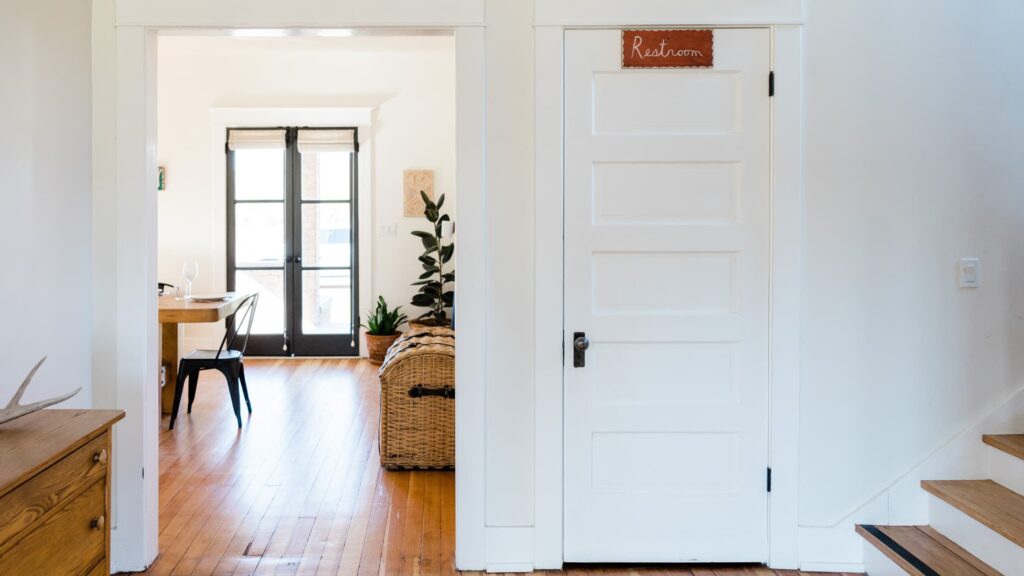
- Add clear signs: Place simple labels on cupboards, drawers, and room doors to help your loved one locate everyday items independently.
4. Create Quiet Zones
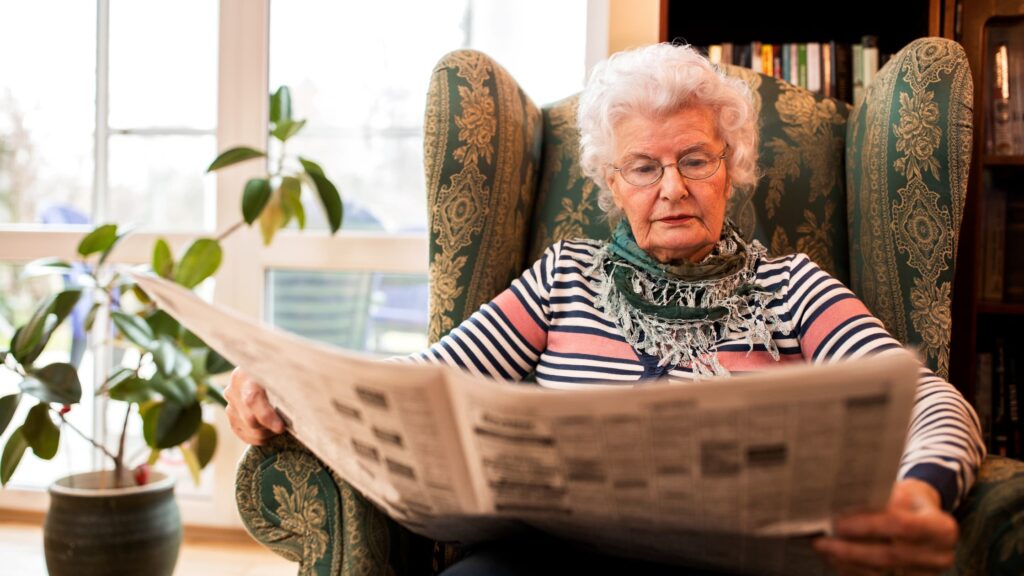
Overstimulation from background noises like loud televisions or crowded decor can quickly lead to agitation. Keep furniture arrangements consistent, reduce unnecessary noise, and create comfortable spaces for familiar activities like reading or listening to music.
Partnering for Peace of Mind
Dementia is progressive, so a home that works well today may need additional adjustments later. Regularly evaluating the home as a person’s abilities and needs change is crucial for their comfort and independence.
For families, the most effective dementia home safety modifications are ones that balance protection with dignity and independence.