From Driving to Uber: How Rideshare Helps Seniors Stay Mobile
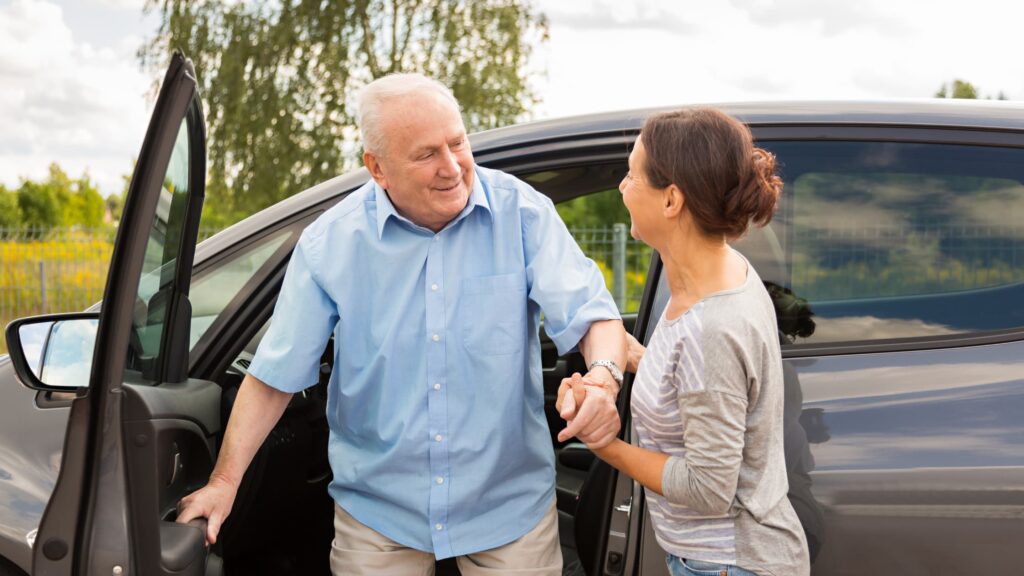
For many older adults, driving represents more than just transportation. It symbolizes their independence, self-reliance, and their ability to stay connected to loved ones and their community. That’s why giving up the car keys can be one of the most emotional milestones a seniors will face.
But what if we changed the narrative?
By shifting the focus from losing freedom to a new way to get around, they can feel better about the transition. Here is how to map out a pivot to modern ridesharing and alternative transportation.
The Emotional Impact of Giving Up Driving
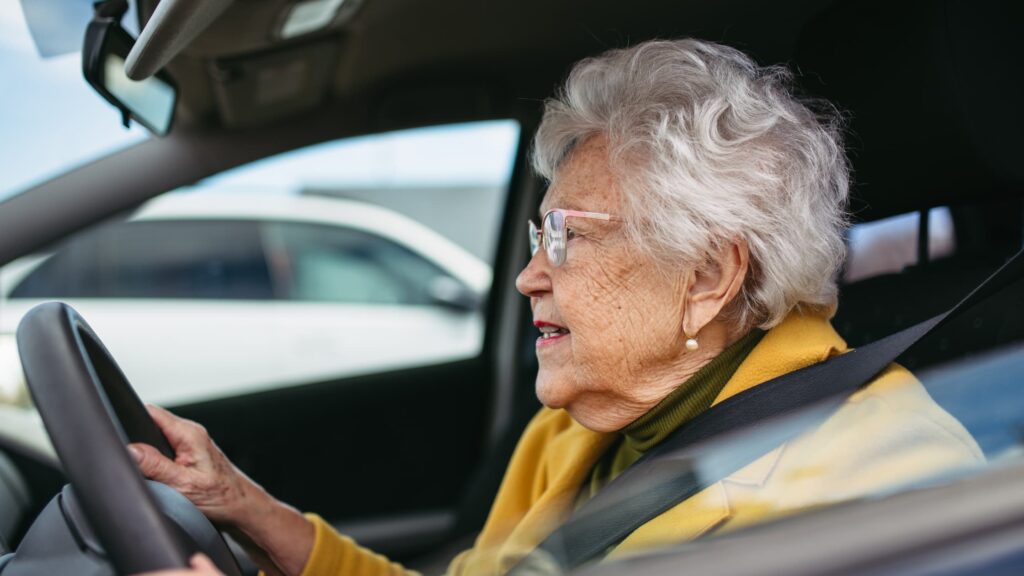
It makes sense why many seniors resist the idea of giving up driving. However, research from the AAA Foundation for Traffic Safety found that older adults outlive their ability to drive safely by seven to ten years. This makes it important for families to discuss future transportation options before a crisis happens.
The challenge isn’t just about transportation, but also about identity and independence. Driving has been a daily part of their life for decades and losing that privilege can feel like losing control.
However, the real goal isn’t to stop mobility – it’s to preserve it in a safer and more sustainable way.
Rideshare Services: A New Kind of Independence
Service like Uber and Lyft have transformed transportation for millions of people, including older adults. Rather than depending on family members for every ride, seniors can schedule transportation when they need it.
Imagine no longer worrying about driving in heavy traffic, finding parking, and vehicle maintenance and repair costs.
Instead, a driver arrives, open the doors, and handles the road while the passenger relaxes.
Many seniors discover that rideshare services actually expand their independence by providing reliable transportation after they stop driving. This helps them stay socially connected and attend medical appointments.
Tech Transitions: Simplifying Ridesharing
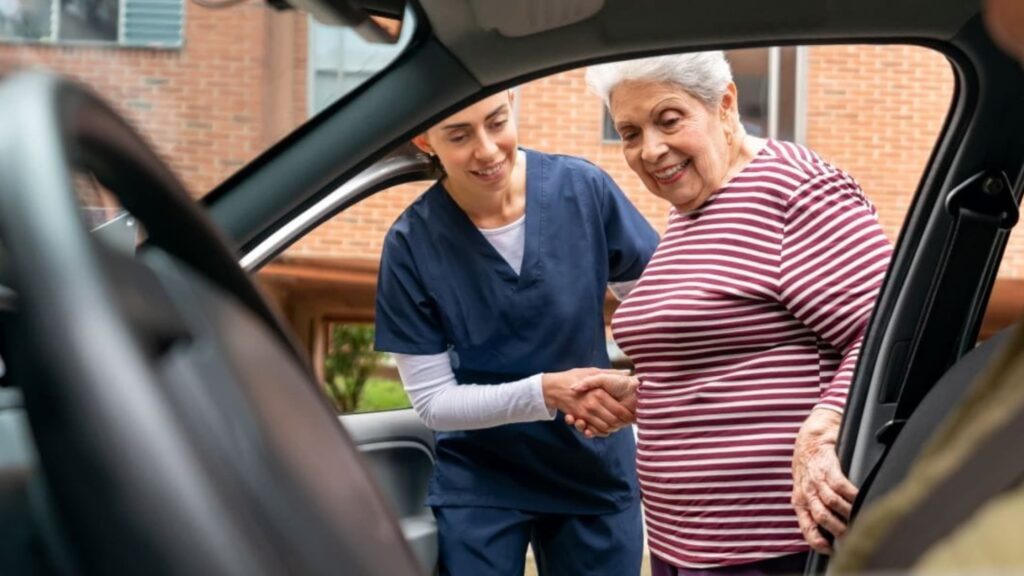
The biggest hurdle for many seniors isn’t the concept of ridesharing, but the technology. If your senior loved one are comfortable with a smartphone, help them set up an app together.
Families and caregivers can help seniors:
- Download and set up a rideshare app
- Save favorite destinations
- Schedule rides in advance
- Identify the correct car and license plate
- Understand payment methods
- Practice using the service until they feel confident
If using the app feels too overwhelming, look into senior-friendly overlays like GoGoGrandparent. This service allows seniors to call a toll-free number from any basic cellphone or landline, talk to a live operator, and have an Uber or Lyft dispatched to their location without ever touching an app.
Combining Tech with Human Touch
Rideshares are fantastic for independent errands, but they do have limitations. A standard driver won’t walk your loved one to the doctor’s waiting room or help them carry heavy grocery bags into the kitchen.
That is where a professional home care agency steps in to bridge the gap.
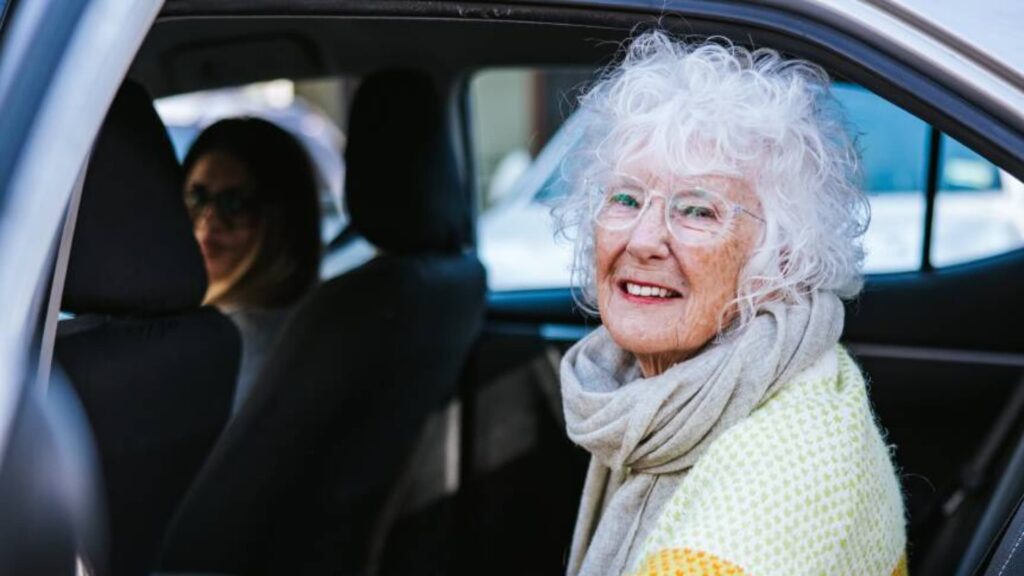
Professional caregivers don’t just provide transportation, they provide accompaniment. They can drive seniors in their neighborhood, assist them into buildings, take notes of doctor’s office visit, and ensure they are safely settled back at home.
Giving up the car keys is definitely a dreaded milestone. But by pairing the convenience of modern ridesharing with the supportive hands of a dedicated caregiver, older adults can maintain a vibrant life, stress-free from the road.