How Loneliness Affect Physical Health
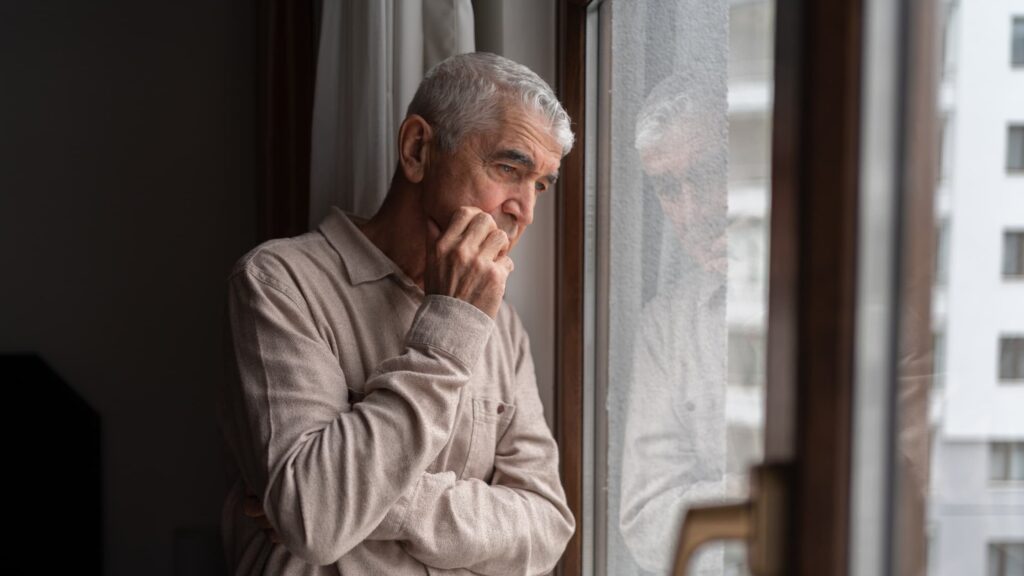
Isolation and loneliness is common among seniors, especially those living by themselves or without nearby family or friends. However, it’s not just the absence of people that causes harm, it’s also the lack of meaningful interaction. So how exactly does a feeling translate into physical illness?
In this blog, we’ll go over how our bodies react to prolonged isolation, how it can change behavior, and how home care can help.
The Hidden Physical Toll of Isolation
The connection lies in how our bodies handle prolonged stress. When a person feels lonely or isolated, their body stays in a low-grade, constant state of “fight or flight.” This triggers several physical responses:
Chronic Inflammation
Constant loneliness drives up cortisol levels which leads to systemic inflammation. This inflammation is a known catalyst for arthritis, diabetes, and even Alzheimer’s disease.
Weakened Immune System
Isolation actively lowers the body’s ability to fight against viruses and infections. A simple cold or flu can quickly escalate into a severe health crisis for an isolated senior.
High Blood Pressure and Heart Disease
The cardiovascular system takes a heavy hit. Loneliness is closely linked to arterial stiffness and elevated blood pressure.
Death and Dementia
According to a report, social isolation significantly increases a person’s risk of premature death from all causes. This rivals smoking, obesity, and physical inactivity. In fact, the study highlights that social isolation is associated with 50% increased risk of dementia.
The Behavioral “Domino Effect”
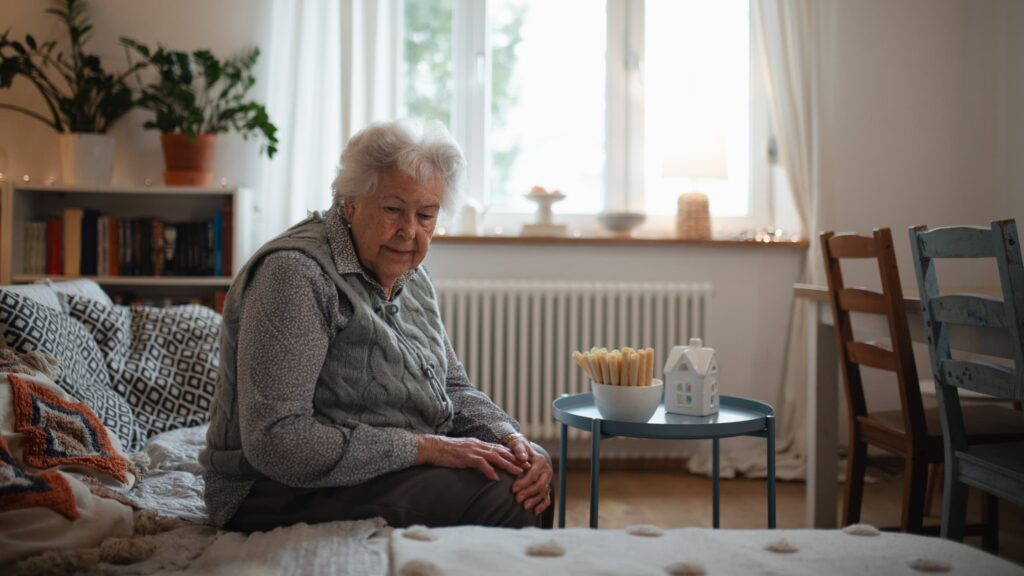
Beyond the biological changes, loneliness can also change behavior. When seniors spend days on end without meaningful human interaction, their daily routines often degrade.
Poor Nutrition
Cooking a balanced meal can feel pointless when eating alone. Many isolated seniors turn to processed convenience foods or skip meals entirely.
Medication Non-Compliance
Without someone watching over or a giving a gentle reminder, seniors are more likely to forget daily prescriptions or skip doctor appointments.
Decreased Mobility
Loneliness kills motivation. Without a reason to get up, dressed, and go out the door, physical decline and muscle deterioration can accelerate.
Bridge the Gap: How Home Care Helps
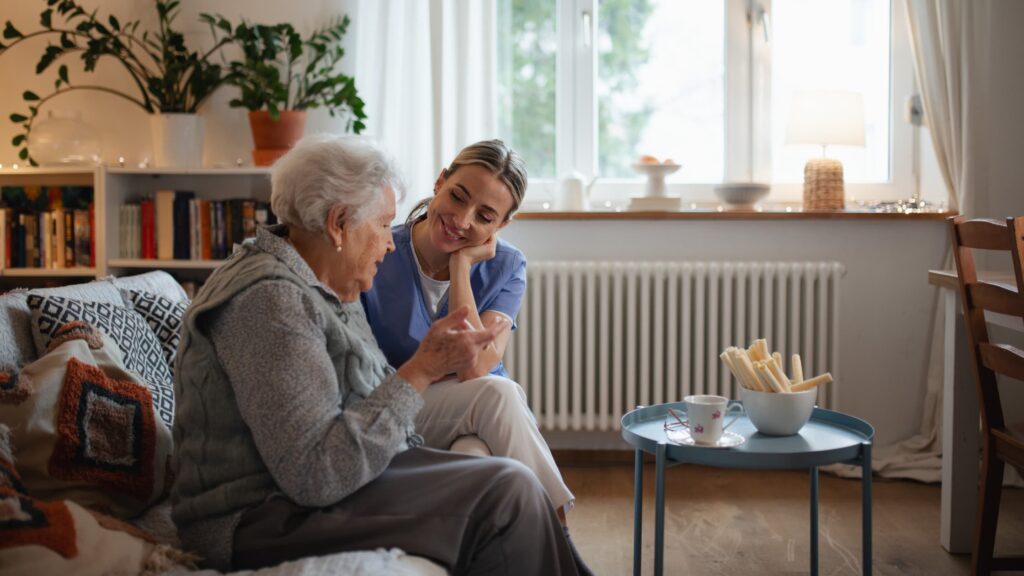
The good news? Loneliness is completely preventable, and reversing it can dramatically improve physical health.
This is where home care agencies offer a lifeline. Home care isn’t just about managing laundry or tracking medication, it is fundamentally about human connection.
Services like companion care provides regular and positive social engagement that helps alleviate the feelings of isolation that many seniors experience. Companionship reduces stress hormones and restores a sense of purpose. Whether it’s sharing a cup of coffee or playing a game of cards, these interactions are vital.
Let’s Keep Them Connected
If you’ve noticed a parent or aging loved one becoming more withdrawn, don’t wait for their physical health to decline before taking action.
Reach out to our care team today. Let’s talk about how a personalized companionship and home care plan can bring safety and genuine connection back into their daily life.